As businesses grow, so do their storage and logistics demands. Managing inventory efficiently becomes more complex, especially with fluctuating order volumes and expanding product lines. Warehousing services provide the infrastructure and operational support companies need to stay organized, responsive, and competitive in today’s market.
Understanding the Role of Warehousing Services
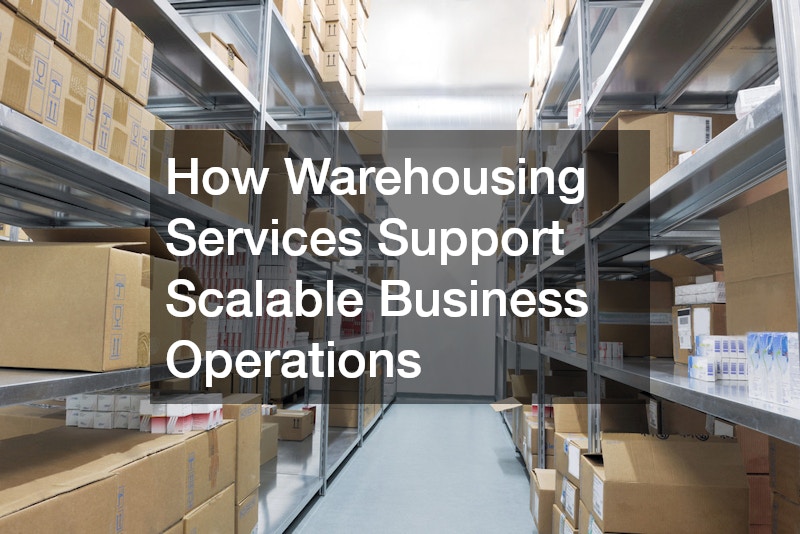
Warehousing services are designed to store, manage, and distribute goods in a controlled environment. These facilities are built to handle inventory at scale, offering structured storage systems that improve organization and accessibility.
Beyond storage, many warehousing providers integrate inventory tracking and reporting tools. This allows businesses to maintain visibility over stock levels, movement, and order status in real time, which is essential for accurate planning and forecasting.
Improving Efficiency Across the Supply Chain
One of the main advantages of warehousing services is improved operational efficiency. Centralized storage allows businesses to streamline order fulfillment processes, reducing the time it takes to pick, pack, and ship products.
This efficiency directly impacts customer satisfaction. Faster turnaround times and more accurate order handling help businesses maintain reliability, especially in competitive industries like e-commerce, manufacturing, and wholesale distribution.
Flexible Storage for Changing Demand
Business needs are rarely static. Seasonal spikes, product launches, and market shifts can all affect inventory levels. Warehousing services offer flexible storage solutions that allow companies to scale up or down as needed.
Instead of investing in permanent space that may sit unused during slower periods, businesses can adjust their storage capacity based on demand. This flexibility helps control costs while maintaining operational readiness.
Advanced Systems and Inventory Management
Modern warehousing services often include advanced management systems that track inventory with precision. Barcode scanning, digital dashboards, and automated updates reduce the risk of human error and improve overall accuracy.
These systems also support better decision making. With access to real-time data, businesses can optimize stock levels, identify trends, and avoid overstocking or shortages.
Supporting Order Fulfillment and Distribution
Warehousing services play a key role in order fulfillment. Many providers offer integrated solutions that handle picking, packing, and shipping directly from the warehouse.
This is especially valuable for businesses that operate across multiple regions. Strategically located warehouses can reduce shipping times and costs by positioning inventory closer to customers.
Enhancing Security and Product Protection
Security is a critical component of professional warehousing services. Facilities are typically equipped with surveillance systems, controlled access, and organized storage layouts that protect goods from damage or loss.
Environmental controls may also be in place for sensitive products, ensuring that items are stored under appropriate conditions. This level of protection is difficult to achieve in smaller or non-specialized spaces.
A Strategic Asset for Business Growth
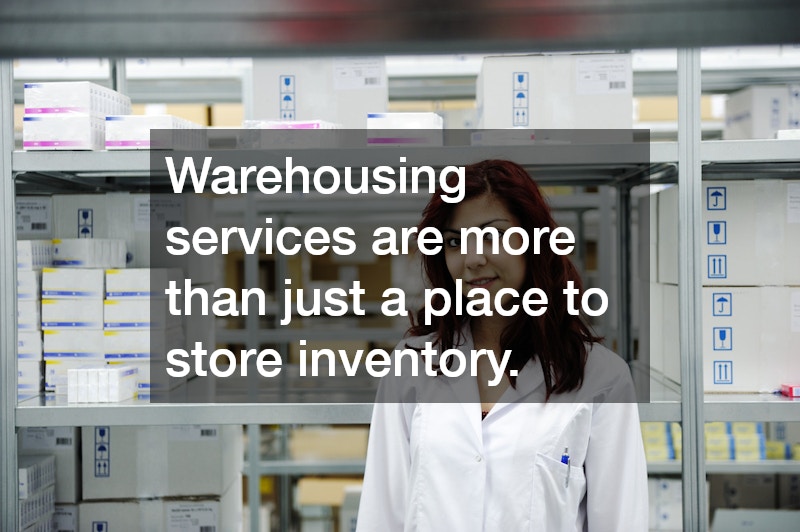
Warehousing services are more than just a place to store inventory. They are a strategic asset that supports scalability, efficiency, and long-term growth. By outsourcing storage and logistics to experienced providers, businesses can focus on core operations such as sales, marketing, and product development.
With the right warehousing partner, companies gain the flexibility and structure needed to adapt to changing demands while maintaining consistent service levels.