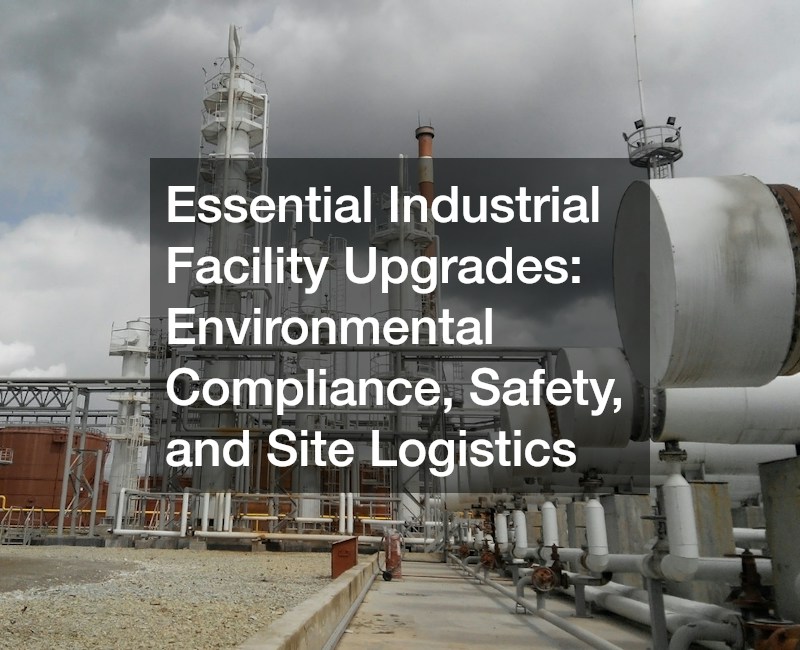
Modern industrial facilities must constantly evolve to maintain high standards of operational efficiency and environmental compliance. Upgrading site logistics and improving safety protocols are no longer optional tasks for serious facility managers. Companies that neglect these essential improvements often face significant regulatory fines and unexpected operational downtime. Implementing a comprehensive upgrade strategy ensures long-term profitability while protecting both workers and the surrounding community.
The initial phase of any facility improvement project requires a thorough assessment of current infrastructure vulnerabilities. Managers need to evaluate everything from foundational stability to the efficiency of external logistics networks. Identifying these critical areas early allows teams to allocate resources efficiently and prevent catastrophic failures.
Investing in robust industrial upgrades also provides a significant competitive advantage in today’s fast-paced market. Facilities that operate smoothly attract better clients and retain highly skilled employees who value safety. Environmental compliance specifically demonstrates a corporate commitment to sustainable practices and community well-being. Ultimately, these targeted improvements transform aging industrial sites into state-of-the-art centers of modern production.
Air Quality Management and Emissions Control
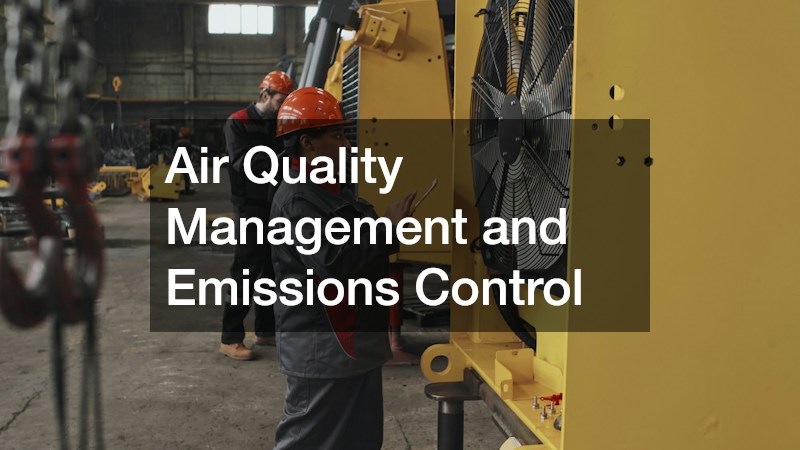
Maintaining excellent air quality is a fundamental requirement for heavy industrial operations that utilize diesel machinery. Strict environmental regulations mandate that facilities actively monitor and reduce harmful emissions generated during daily activities. Implementing advanced filtration systems helps capture dangerous particulates before they can enter the local atmosphere.
Routine maintenance of heavy equipment is absolutely crucial for minimizing the environmental impact of industrial fleets. Regularly scheduled DPF cleaning removes accumulated soot from diesel engines and restores their optimal functional efficiency. This specialized service prevents costly engine replacements while ensuring that emissions remain below legal limits. Proper exhaust management ultimately contributes to a cleaner environment and significantly lowers long-term fleet operating expenses.
Beyond regulatory compliance, superior air quality management creates a vastly improved daily working environment for staff. Employees experience fewer health issues and demonstrate higher productivity levels when breathing clean, properly filtered air. Upgrading ventilation networks across the entire facility should be a primary objective for operations managers. Such investments easily pay for themselves through reduced absenteeism and higher overall workforce morale.
Site Preparation and Grounds Management
Proper site preparation forms the essential foundation for any successful industrial expansion or renovation project. Before new structures can be erected, the ground must be carefully graded to support immense weight. Effective water drainage systems must also be implemented to prevent future soil erosion and costly flooding.
When modifying the landscape of an industrial complex, acquiring high-quality earth materials is often strictly necessary. Securing reliable topsoil delivery ensures that newly graded areas have the appropriate surface composition for landscaping. This specific material provides a stable base layer that supports both aesthetic improvements and surface installations. Proper ground preparation prevents future complications such as unexpected settling or severe water pooling around infrastructure.
Maintaining the exterior grounds is an ongoing responsibility that requires dedicated resources and strategic planning. A well-maintained industrial property presents a professional image to visiting clients and potential business partners. Clear and stable grounds ensure that heavy transport vehicles can navigate the property without getting stuck. Investing in comprehensive landscape management ultimately enhances both the visual appeal and functional capacity of facilities.
Transportation Fleet Logistics and Reliability
A reliable transportation fleet serves as the critical backbone for almost every successful industrial manufacturing enterprise. Vehicles must remain in peak condition to transport raw materials and deliver finished goods without delays. Establishing a rigorous preventative maintenance schedule helps identify potential mechanical issues before they cause on-road failures.
When large transport vehicles inevitably break down, securing immediate mechanical assistance becomes the top priority. Partnering with a reputable semi truck repair provider minimizes logistical downtime and gets essential cargo moving. These specialized technicians possess the advanced diagnostic tools required to resolve complex engine and transmission problems. Rapid response times from mechanical partners save industrial facilities thousands of dollars in lost daily productivity.
Properly maintained vehicles also operate more efficiently, which significantly reduces overall fuel consumption across fleets. This operational efficiency translates directly into lower transportation costs and a reduced carbon footprint for companies. Drivers also experience less fatigue when operating heavy trucks that have been expertly serviced and tuned. A commitment to vehicular excellence benefits the bottom line while simultaneously promoting safer highways for everyone.
Foundational Stability and Structural Integrity
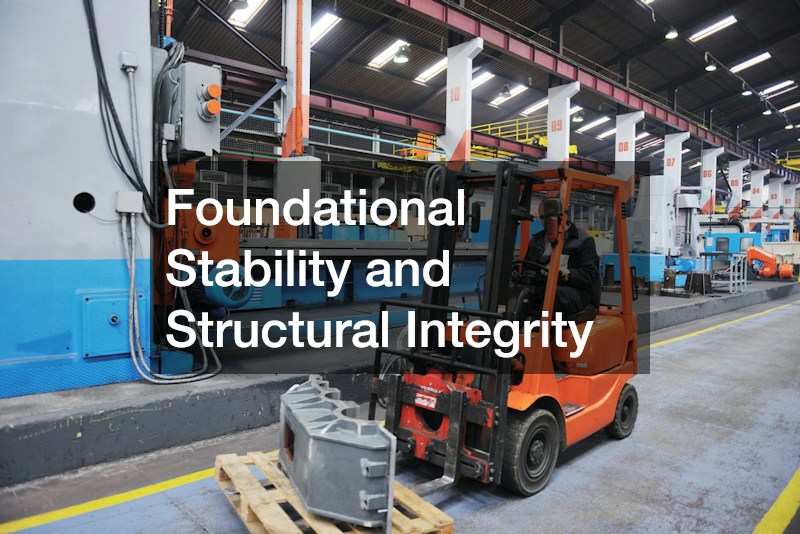
The physical foundation of any industrial facility must withstand extreme stress from heavy machinery and vibrations. Over time, concrete slabs can shift or sink, creating hazardous uneven surfaces that threaten workplace safety. Ignoring these structural deformations can lead to severe accidents involving forklifts or walking personnel.
Fortunately, modern engineering techniques offer highly effective solutions for correcting sunken or severely compromised industrial flooring. Utilizing professional concrete raising services allows facilities to restore uneven slabs to their original positions. This minimally invasive technique injects specialized materials beneath the surface to lift heavy concrete quickly. Correcting these surface hazards prevents workplace tripping accidents and protects sensitive equipment from damaging operational vibrations.
Maintaining level floors is particularly critical in warehouse sections where automated guided vehicles operate continuously. These sophisticated machines require perfectly flat surfaces to navigate narrow aisles and retrieve heavy pallets accurately. Even minor deviations in floor height can disrupt automated workflows and cause significant logistical bottlenecks. Investing in foundational integrity ensures that modern technological investments can perform at their maximum intended capacity.
Rail Infrastructure and Heavy Transport Logistics
Many large-scale industrial complexes rely heavily on dedicated rail networks to transport massive quantities of bulk materials. These private rail lines must be maintained to the same rigorous safety standards as public railways. Degraded tracks can easily lead to catastrophic derailments that halt production and cause extensive property damage.
When rail infrastructure begins to show significant signs of wear, immediate restorative action is strictly required. Contracting experienced track resurfacing companies ensures that heavy industrial rail lines remain perfectly aligned and operational. These specialized crews utilize heavy tamping machines to compact supporting ballast and restore proper geometric alignment. Properly maintained tracks facilitate the smooth, safe, and efficient movement of the heaviest industrial cargo.
Upgraded rail facilities allow industrial plants to significantly increase their overall material throughput and production capacity. Efficient rail logistics reduce the facility’s dependence on traditional highway trucking, which lowers transportation costs. A well-maintained rail system enhances the overall safety of material handling by minimizing unexpected load shifting. Strong logistical networks ultimately provide the reliable supply chain necessary for continuous, uninterrupted industrial manufacturing.
Precision Manufacturing and Component Sourcing
Modern industrial production relies entirely on the precise fabrication of highly specialized mechanical components. Facilities need access to custom-machined parts to keep proprietary assembly lines running without critical interruptions. Standard off-the-shelf components frequently fail to meet the exact tolerances required by advanced manufacturing equipment.
When unique mechanical parts break or require duplication, industrial managers must source them from capable partners. Collaborating with advanced CNC machine shops provides facilities with rapid access to perfectly crafted replacement components. These specialized manufacturing centers utilize computer-controlled cutting tools to achieve incredibly precise dimensional tolerances in metal. Rapid turnaround times from dedicated machinists prevent prolonged assembly line shutdowns and costly production delays.
Maintaining strong relationships with precision manufacturers also fosters greater operational innovation within the industrial facility. Engineers can rapidly prototype new equipment modifications and test custom solutions to complex production challenges. This collaborative approach to mechanical problem-solving significantly accelerates the development of more efficient manufacturing processes. Ultimately, precision component sourcing empowers industrial facilities to push the boundaries of their respective operational capabilities.
Hazardous Material Management and Site Safety
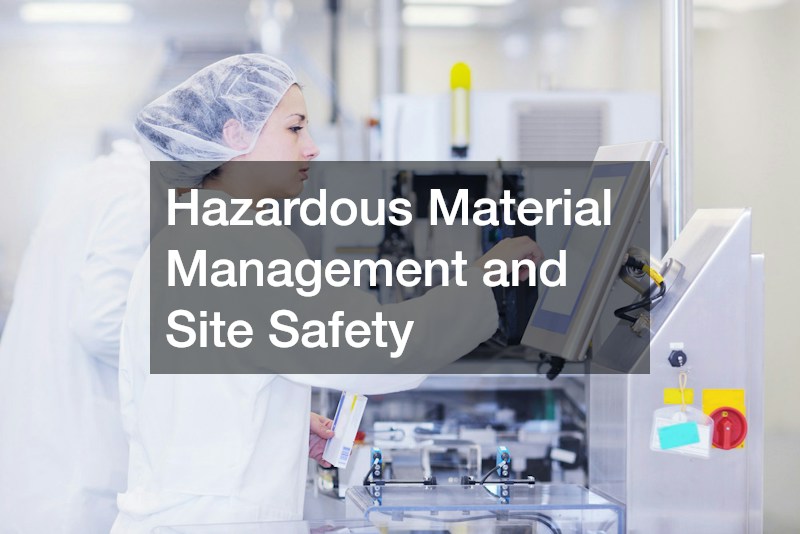
Older industrial facilities often contain highly dangerous building materials that pose severe health risks to workers. Identifying and safely managing these toxic substances is a critical legal and ethical responsibility for owners. Thorough environmental audits must be conducted before any structural renovations or significant demolition projects can commence.
When dangerous legacy materials are discovered, facility managers must immediately halt operations in the affected zones. Hiring a certified asbestos removal service is the only legally and medically sound method for elimination. These highly trained professionals utilize specialized containment structures and negative air pressure systems to prevent escape. Thorough decontamination procedures ensure that the facility is completely safe for workers to re-enter and resume duties.
Beyond legacy building materials, facilities must also implement strict protocols for managing modern hazardous chemicals. Proper storage, labeling, and disposal procedures prevent accidental spills that could contaminate the local groundwater supply. Regular safety training ensures that all employees understand exactly how to respond during a chemical emergency. A comprehensive approach to hazardous materials guarantees a secure environment for both workforce and surrounding community.
Heavy Equipment Operations and Lifting Logistics
Industrial expansion projects frequently require the movement and precise placement of extremely heavy structural components. Standard facility equipment is rarely capable of safely hoisting massive steel beams or industrial storage tanks. Attempting to move oversized loads without proper machinery drastically increases the risk of fatal workplace accidents.
Instead of purchasing expensive heavy machinery for temporary construction projects, facilities often choose flexible logistical solutions. Utilizing a specialized crane rental allows project managers to access the exact lifting capacity required. These heavy-lifting arrangements typically include highly trained operators who understand the physics of moving massive loads. Professional lifting services ensure that expensive equipment and structural components are positioned with absolute precision.
Proper planning of heavy lifting operations also prevents costly damage to the existing facility infrastructure. Project engineers must carefully calculate load balances and analyze the structural integrity of lifting zones. Clear communication between the crane operators and the ground crews is absolutely vital for flawless maneuvers. Strategic equipment management ultimately keeps critical expansion projects moving forward exactly according to predetermined construction schedules.
Winter Weather Preparedness and Hazard Mitigation
Industrial operations located in colder climates face unique logistical challenges during the harsh winter months. Accumulating snow and freezing rain can quickly transform a highly efficient facility into a dangerously impassable landscape. If transport vehicles cannot safely access loading docks, the entire supply chain grinds to a halt.
Facility managers cannot wait for winter weather to strike before developing their emergency response strategies. Securing dependable snow and ice management services before the season begins guarantees a rapid response. These dedicated winter maintenance crews utilize heavy plows and industrial salting equipment to keep roads clear. Professional winter hazard mitigation prevents dangerous slips and falls while ensuring shipping logistics remain fully operational.
Beyond clearing external roads, winter preparedness also involves protecting sensitive internal facility systems from freezing. Exposed water pipes and external HVAC units must be properly insulated to prevent catastrophic cold-weather failures. Regular inspections of facility heating systems ensure a warm and safe working environment for all employees. Comprehensive seasonal planning transforms winter from a crippling operational obstacle into an easily managed background event.
Perimeter Security and Boundary Management
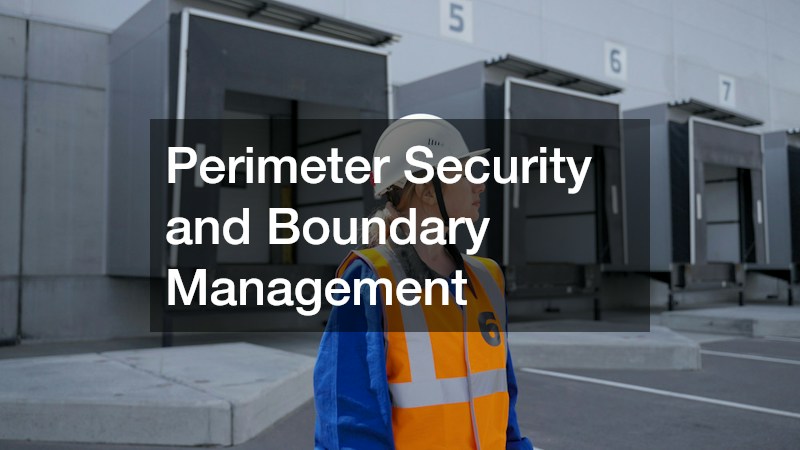
Protecting the physical boundaries of an industrial facility is the first step in a comprehensive security strategy. Open or poorly defined borders invite unauthorized access, vandalism, and the costly theft of raw materials. Establishing a strong, visible perimeter deters potential intruders and clearly defines the limits of corporate property.
Constructing a robust physical barrier is the most effective method for securing large-scale industrial properties. Investing in high-quality commercial fence installation creates an immediate and formidable obstacle against unauthorized entry. These heavy-duty security barriers can be customized with barbed wire or integrated electronic intrusion detection systems. A professionally constructed perimeter ensures that the facility’s valuable assets and sensitive manufacturing processes remain protected.
Effective perimeter security also significantly improves the safety of daily logistical traffic flowing through facilities. Designated entrance and exit gates allow security personnel to accurately track visiting transport vehicles and contractors. This organized approach to boundary management prevents chaotic traffic congestion during peak industrial operating hours. Ultimately, a secure perimeter provides the foundational peace of mind necessary for maintaining focused daily operations.
Transforming an aging industrial facility into a modern, compliant, and highly efficient operation requires significant dedication. The comprehensive upgrades discussed throughout this article provide a clear strategic roadmap for ambitious facility managers. Addressing environmental compliance, structural stability, and logistical efficiency ensures businesses remain highly competitive in evolving markets.
Investing in these essential improvements demonstrates a profound corporate commitment to workplace safety and environmental stewardship. Employees thrive in secure, well-maintained environments, leading to noticeable increases in productivity and lower turnover rates. Furthermore, regulatory agencies recognize and reward facilities that actively prioritize compliance and advanced operational safety protocols. These strategic upgrades ultimately build a resilient corporate foundation capable of weathering future economic challenges.
The long-term success of any industrial enterprise relies entirely on continuous improvement and strategic infrastructure investments. Facility managers must constantly evaluate their operations and implement necessary upgrades to maintain maximum operational efficiency. By prioritizing environmental health, logistics, and foundational safety, industrial facilities can achieve unprecedented levels of success. The future of industrial manufacturing belongs to those who actively prepare for the rigorous demands of tomorrow.